Blog & Updates

Read latest articles to Improve your Heart Health!

Treating Your Risk for Cardiovascular Disease

Cardiovascular disease (CVD) remains one of the leading causes of death worldwide. The good news is that, in many cases, it is preventable or manageable through lifestyle changes and early intervention. To protect your heart health, it’s crucial to understand your risk factors and take proactive steps to treat and reduce your risk for cardiovascular disease. In this article, we’ll explore key strategies for preventing and managing CVD risk.

1. Know Your Risk Factors: Understanding your risk factors is the first step in treating CVD. Common risk factors include high blood pressure, high cholesterol, diabetes, smoking, obesity, physical inactivity, and a family history of heart disease. Regular check-ups and health screenings can help you identify your specific risk profile.

2. Maintain a Healthy Diet: A heart-healthy diet is essential in reducing the risk of CVD. Focus on a diet rich in fruits, vegetables, whole grains, lean proteins, and healthy fats. Minimize your intake of processed foods, saturated and trans fats, salt, and added sugars.

3. Exercise Regularly: Regular physical activity is a powerful way to treat and prevent CVD. Aim for at least 150 minutes of moderate-intensity exercise or 75 minutes of vigorous-intensity exercise per week. Incorporating strength training is also beneficial for heart health.

4. Manage Your Weight: Maintaining a healthy weight is crucial for reducing CVD risk. If you are overweight or obese, losing even a small amount of weight can have a significant impact on your heart health.

5. Quit Smoking: Smoking is a major contributor to CVD. Seek support and resources to quit smoking, as it is one of the most impactful steps you can take to treat your risk for heart disease.

6. Control Blood Pressure and Cholesterol: High blood pressure and high cholesterol are significant risk factors for CVD. Regularly monitor and manage these numbers with medication, if necessary, as prescribed by your healthcare provider.

7. Manage Diabetes: If you have diabetes, work closely with your healthcare team to manage your blood sugar levels. Proper diabetes management is crucial in reducing the risk of heart complications.

8. Reduce Stress: Chronic stress can contribute to CVD risk. Find healthy ways to manage stress, such as through relaxation techniques, mindfulness, or hobbies that bring you joy.

9. Limit Alcohol Consumption: Excessive alcohol consumption can increase your CVD risk. If you choose to drink, do so in moderation, following recommended guidelines.

10. Regular Health Check-ups: Schedule regular check-ups with your healthcare provider to monitor your heart health, even if you feel healthy. Early detection and intervention can significantly improve your treatment outcomes.

Conclusion:

Treating your risk for cardiovascular disease is a proactive and life-affirming endeavor. By understanding your risk factors and adopting a heart-healthy lifestyle, you can significantly reduce your risk of developing CVD or manage an existing condition effectively. Remember that it’s never too early or too late to prioritize your heart health. Regular check-ups and proactive measures are essential in taking control of your cardiovascular health. If you have concerns about your heart health or need guidance on reducing your risk, consult with a healthcare professional who can provide personalized recommendations and treatments. Your heart is worth the effort, and your future self will thank you for taking these steps to treat and protect it.

Recovery After Cardiothoracic Surgery: What to Expect

Cardiothoracic surgery, a field dedicated to treating diseases and conditions of the heart, lungs, and other thoracic organs, is often a lifeline for patients facing critical health issues. This specialized branch of surgery has made incredible strides over the years, allowing patients to overcome cardiac and respiratory ailments that were once considered untreatable. While the surgical procedures themselves are a crucial component of a patient’s journey to health, the recovery phase is equally important. In this article, we will explore what to expect during the recovery period after cardiothoracic surgery.

The Importance of a Post-Surgical Recovery Plan

Recovery after cardiothoracic surgery is a carefully orchestrated process that begins in the operating room and continues in the days, weeks, and months that follow. Understanding what to expect during this phase can alleviate anxiety and help patients and their families prepare for the challenges ahead.

Immediate Post-Surgery

In the immediate aftermath of cardiothoracic surgery, patients are transferred to the cardiac or intensive care unit (ICU) for close monitoring. The length of time spent in the ICU can vary depending on the type of surgery and the patient’s overall condition. Patients are usually attached to various monitors to track their heart rate, blood pressure, and oxygen levels. Ventilators may be used to support breathing until the patient can do so independently. Pain management is a priority during this phase, and patients are often given medication to ensure their comfort.

Recovery Milestones

While every patient’s recovery journey is unique, there are some common milestones that most individuals can expect as they progress through the recovery process:

  1. Extubation and Breathing Independently: One of the first significant milestones is the removal of the breathing tube (extubation). This typically occurs once the patient is stable and can breathe independently. It’s a momentous step toward recovery.
  2. Mobility: Initially, patients may have limited mobility, but as they regain strength, they will be encouraged to get out of bed and start moving. Physical therapists may be involved to help patients regain strength and mobility.
  3. Pain Management: Pain is a common concern after surgery. Healthcare providers will work closely with patients to manage pain through a combination of medications and other strategies to ensure comfort.
  4. Diet and Nutrition: Nutrition plays a critical role in recovery. Patients may start with clear liquids and gradually progress to regular meals, depending on their condition and tolerance.
  5. Wound Care: Monitoring and caring for the surgical incisions is essential to prevent infection and promote healing. Patients are often taught how to care for their incisions or may have home healthcare support.
  6. Medication Management: Many patients will require medications after surgery, such as blood thinners, anti-arrhythmics, or medications for blood pressure. Complying with the prescribed medication regimen is vital for a successful recovery.
  7. Cardiac Rehabilitation: For many cardiothoracic surgery patients, cardiac rehabilitation is a crucial part of recovery. It involves structured exercise programs and education to promote cardiovascular health.
  8. Follow-up Appointments: Patients will have a series of follow-up appointments with their surgeon and healthcare team to monitor progress and address any concerns.

Emotional and Psychological Aspects of Recovery

Recovery after cardiothoracic surgery is not only physical but also emotional. Patients may experience a range of emotions, including anxiety, fear, and even depression. It’s important to acknowledge these feelings and seek support when needed. Healthcare providers often have resources available to help patients and their families cope with the emotional challenges of recovery.

Challenges and Complications

While the majority of patients experience successful recoveries, it’s important to be aware of potential challenges and complications that can arise:

  1. Infection: Surgical site infections can occur and may require additional treatment, such as antibiotics or wound care.
  2. Pulmonary Complications: Lung infections, pneumonia, or atelectasis (collapse of a portion of the lung) can develop, particularly if a patient has difficulty expanding their lungs fully.
  3. Cardiac Complications: Arrhythmias (irregular heart rhythms) or other cardiac issues can arise after surgery and may require further treatment.
  4. Blood Clots: Post-surgery immobility can increase the risk of blood clots, which may require anticoagulant therapy.
  5. Psychological Issues: Anxiety, depression, or post-traumatic stress disorder (PTSD) can affect some patients, and mental health support is crucial.
  6. Scar Tissue: Excessive scar tissue at the surgical site can sometimes lead to complications and may require further intervention.
  7. Delayed Recovery: Not all patients recover at the same rate. Some individuals may face longer, more complex recoveries than others.

It’s essential for patients and their families to maintain open communication with their healthcare providers and promptly report any concerning symptoms or complications.

Support Systems and Resources

Recovery after cardiothoracic surgery is a team effort. Patients benefit from a strong support system of family and friends. It’s also helpful to connect with support groups or online communities of individuals who have undergone similar procedures. Sharing experiences and tips can be incredibly reassuring.

Furthermore, many hospitals and healthcare institutions offer comprehensive resources for patients and families. These resources may include access to cardiac rehabilitation programs, nutritional guidance, and mental health support.

Conclusion

Recovery after cardiothoracic surgery is a journey that encompasses physical, emotional, and psychological aspects. While it comes with challenges and potential complications, understanding what to expect during the recovery process can help patients and their families better prepare for the road ahead. With the support of healthcare professionals and a strong support network, individuals can navigate their recovery and move towards improved heart and lung health. It’s a testament to the remarkable advancements in cardiothoracic surgery that have made life-saving transformations possible for countless patients.

5 Bad Habits That Adversely Affect Your Heart Health

Your heart is an incredible organ that works tirelessly to keep you alive. It deserves the utmost care and attention. However, many of us unwittingly engage in habits that can harm our heart health. In this article, we’ll shed light on five common bad habits that can have a detrimental impact on your cardiovascular well-being.

  1. Poor Diet

A diet high in saturated and trans fats, refined sugars, and excessive salt can lead to weight gain, high cholesterol levels, and high blood pressure. These factors significantly increase the risk of heart disease. To protect your heart, adopt a balanced diet rich in fruits, vegetables, whole grains, lean proteins, and healthy fats like those found in nuts, seeds, and avocados.

  1. Physical Inactivity

A sedentary lifestyle is a significant risk factor for heart disease. Regular physical activity helps maintain a healthy weight, keeps blood pressure in check, and improves cholesterol levels. Aim for at least 150 minutes of moderate-intensity aerobic exercise or 75 minutes of vigorous-intensity exercise every week, as recommended by health experts.

  1. Smoking

Smoking is a leading cause of heart disease. It damages the blood vessels, reduces the amount of oxygen in the blood, and raises blood pressure. The harmful effects of smoking can begin to reverse just weeks after quitting, so it’s never too late to break this habit for the sake of your heart and overall health.

  1. Excessive Alcohol Consumption

While some studies suggest that moderate alcohol consumption may have cardiovascular benefits, excessive drinking can lead to high blood pressure, irregular heart rhythms, and cardiomyopathy. Limit alcohol intake to moderate levels, which generally means up to one drink per day for women and up to two drinks per day for men.

  1. Chronic Stress

Chronic stress can take a toll on your heart health. It can lead to unhealthy behaviors like overeating, smoking, or drinking excessively. It also triggers inflammation and increases the risk of high blood pressure. Implement stress-reduction techniques such as mindfulness, meditation, yoga, or spending time in nature to protect your heart.

Conclusion

Your heart is a remarkable organ that deserves to be treated with care and respect. By breaking these bad habits and adopting healthier ones, you can significantly improve your heart health and reduce the risk of heart disease. Small changes can lead to significant benefits over time. Remember that your heart will thank you for the positive changes you make today by keeping you healthy and active for years to come.

What Does a Cardiologist Do?

When it comes to matters of the heart, both literally and figuratively, a cardiologist is the medical specialist you want on your side. Cardiologists are physicians trained to diagnose, treat, and prevent a wide range of heart and cardiovascular system disorders. Their expertise is invaluable in maintaining and improving heart health. In this article, we’ll delve into the role and responsibilities of cardiologists and shed light on why their work is essential in our lives.

Cardiologist’s Role in Heart Health

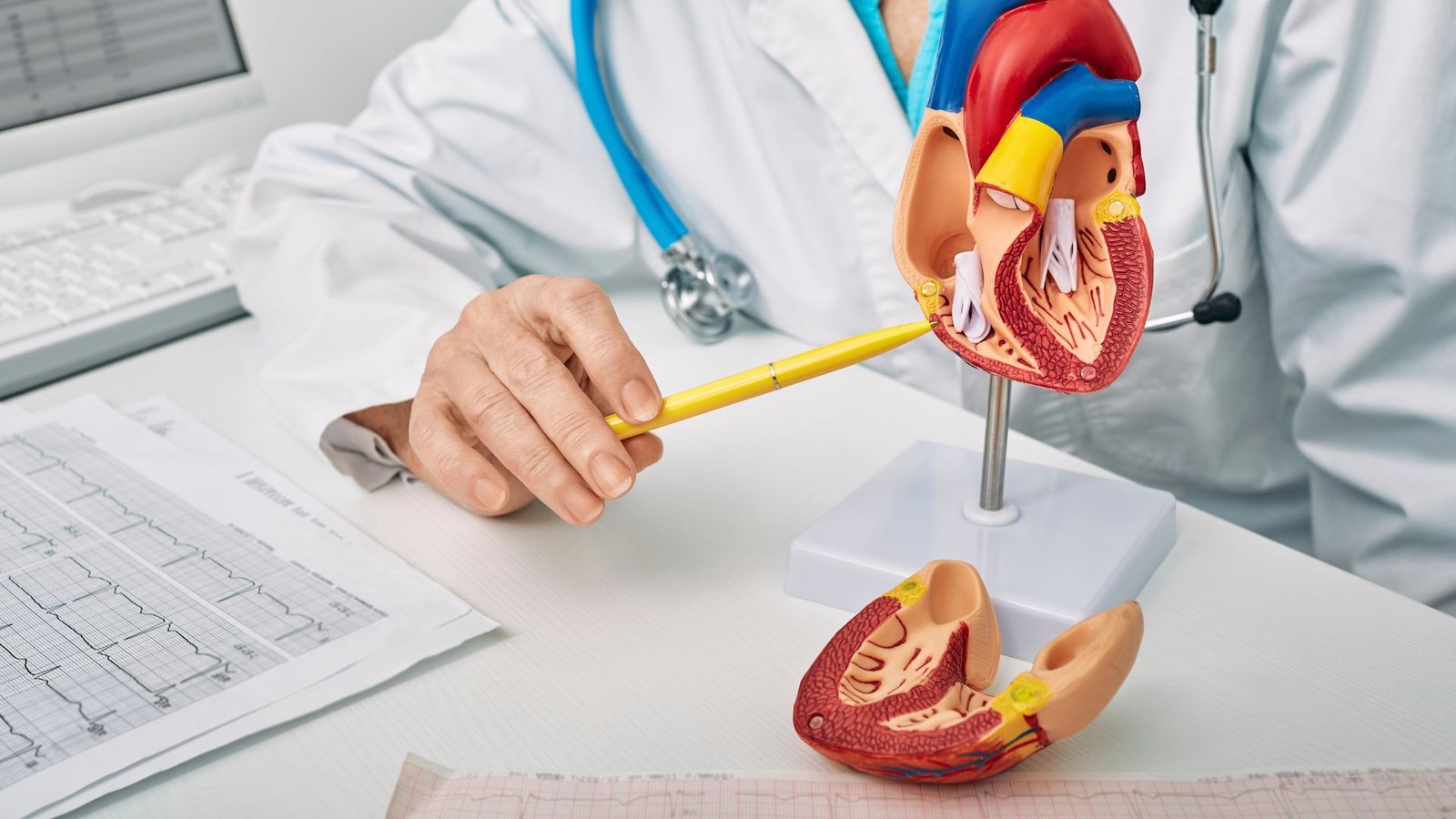
  1. Diagnosis: Cardiologists play a pivotal role in diagnosing heart-related conditions. They use various diagnostic tools such as electrocardiograms (ECGs), echocardiograms, stress tests, and cardiac catheterization to assess heart function, detect abnormalities, and identify potential issues.
  2. Treatment: Once a cardiac condition is identified, cardiologists develop tailored treatment plans. These can range from lifestyle modifications and medications to more invasive procedures like angioplasty, stent placement, or heart surgery. Cardiologists are skilled in selecting the most appropriate intervention for each patient’s unique needs.
  3. Prevention: Cardiologists are not just concerned with treating existing conditions but also with preventing them. They work with patients to assess risk factors like high blood pressure, high cholesterol, diabetes, and obesity. They then provide guidance on lifestyle changes, dietary adjustments, and exercise regimens to mitigate these risks and maintain heart health.
  4. Monitoring: For patients with chronic heart conditions, cardiologists provide ongoing care and monitoring. They track the progress of the disease, adjust medications as needed, and offer guidance to improve the patient’s quality of life.
  5. Emergency Care: In critical situations, such as heart attacks or cardiac arrhythmias, cardiologists are often the first responders. They use their expertise to stabilize patients and perform life-saving procedures.
  6. Research and Innovation: Cardiologists are at the forefront of cardiovascular research, contributing to advancements in the field. Their work helps develop new treatment modalities, medications, and technologies, which ultimately benefit patients worldwide.
  7. Collaboration: Cardiologists frequently collaborate with other healthcare professionals, including primary care physicians, nurses, and surgeons, to ensure comprehensive patient care. This multidisciplinary approach allows for a more holistic and effective treatment plan.

Why Cardiologists Matter

  1. Specialized Knowledge: Cardiovascular diseases are complex, and diagnosing and treating them require specialized knowledge. Cardiologists dedicate years of training and experience to gain the expertise needed to manage heart-related conditions effectively.
  2. Life-Saving Interventions: In many cases, cardiologists are the difference between life and death. They are trained to perform emergency procedures that can save lives during cardiac emergencies.
  3. Preventive Care: Cardiologists emphasize preventive care to help patients maintain heart health and reduce the risk of future cardiac problems. By addressing risk factors early, they can prevent more serious issues down the road.
  4. Improving Quality of Life: Cardiologists not only focus on treating conditions but also on improving patients’ quality of life. They provide guidance on lifestyle changes and medications to enhance well-being.

Conclusion

Cardiologists are essential healthcare professionals who play a critical role in maintaining and improving heart health. Their expertise in diagnosing, treating, and preventing cardiovascular diseases is invaluable. By seeking regular check-ups and following their guidance, individuals can take proactive steps towards a healthier heart and a longer, more fulfilling life. Cardiologists are the heart’s trusted guardians, ensuring it keeps beating strong and steady.

The Transformative Impact of Cardiac Rehabilitation

Cardiovascular health is a cornerstone of well-being, and for individuals who have experienced heart-related issues, cardiac rehabilitation emerges as a crucial pathway to recovery and longevity. Cardiac rehab is a comprehensive program designed to enhance heart health, improve quality of life, and extend life expectancy for those who have undergone cardiac events or surgeries. In this article, we explore the significance of cardiac rehabilitation and how it can transform lives by fostering cardiovascular wellness.

Understanding Cardiac Rehabilitation

Cardiac rehabilitation is a multidisciplinary approach that combines medical supervision, exercise, education, and lifestyle modification to aid individuals in recovering from heart-related conditions. These conditions may include heart attacks, heart surgeries, angioplasty, or heart failure. The program is tailored to meet the individual needs of each patient, considering their medical history, fitness level, and specific health goals.

Components of Cardiac Rehabilitation

  1. Physical Exercise: An integral part of cardiac rehab, structured exercise helps improve cardiovascular fitness, strengthen the heart, and boost endurance. Exercise routines are carefully monitored by medical professionals to ensure safety and effectiveness.
  2. Education and Counseling: Patients receive education on heart-healthy habits, nutrition, medication management, stress reduction, and lifestyle modifications. Counseling sessions offer emotional support and guidance.
  3. Medical Supervision: Trained healthcare professionals closely monitor patients’ progress, providing valuable insights and adjustments based on their individual response to the program.
  4. Behavioral Support: Changing lifestyle habits is pivotal for heart health. Cardiac rehab offers strategies and tools to help patients make sustainable changes in their daily routines.

Benefits of Cardiac Rehabilitation

  1. Enhanced Cardiovascular Health: Cardiac rehab helps improve heart strength, blood circulation, and overall cardiovascular fitness, reducing the risk of future heart-related complications.
  2. Reduced Risk Factors: The program addresses risk factors such as high blood pressure, high cholesterol, and obesity through education and lifestyle changes, lowering the risk of future cardiac events.
  3. Improved Quality of Life: Cardiac rehab focuses on restoring patients’ physical and emotional well-being. Participants often report increased energy levels, better mood, and enhanced overall quality of life.
  4. Longevity and Prevention: By providing tools for sustainable heart-healthy habits, cardiac rehabilitation not only aids recovery but also helps prevent future heart problems, extending life expectancy.
  5. Confidence Boost: Cardiac rehab empowers patients by providing them with the knowledge and skills to take control of their heart health, boosting their confidence in managing their condition.

Conclusion

Cardiac rehabilitation is a lifeline for individuals seeking to regain control of their heart health and improve their overall well-being. Through a holistic approach encompassing exercise, education, counseling, and support, patients can embark on a transformative journey towards better cardiovascular health. Cardiac rehab not only aids recovery but also extends life expectancy, fostering a renewed sense of vitality and offering the promise of a longer, healthier life.

Best Cardiac Surgeon at Fortis Escorts Delhi – Dr. Ritwick Raj Bhuyan

Heart disease is one of the leading health concerns in India, and choosing the right cardiac surgeon can make a significant …

How Heart Disease Differs in Men and Women

Heart disease, often considered a universal health concern, exhibits distinct characteristics when it comes to gender. While …

Unveiling the Profound Importance of a Healthy Heart

In the intricate symphony of our bodies, the heart plays a pivotal role as the maestro, orchestrating the rhythm of life. …