
Author: <span>Dr. Ritwick Raj Bhuyan</span>

Exploring the Importance of a Healthy Heart

The heart, a remarkable organ that tirelessly pumps life-sustaining blood throughout our body, plays a pivotal role in our overall well-being. A healthy heart is not only essential for physical health but also influences our quality of life and longevity. In this article, we delve into the significance of maintaining a healthy heart and the steps one can take to prioritize cardiovascular wellness.

The Heart’s Role in Health

The heart is the core of our circulatory system, responsible for pumping oxygen-rich blood to every cell, tissue, and organ in the body. This process supplies nutrients, removes waste, and ensures proper functioning of all bodily systems. A healthy heart efficiently delivers oxygen and nutrients, supporting optimal energy levels and promoting overall vitality.

Key Factors for a Healthy Heart

  1. Regular Exercise: Engaging in regular physical activity is vital for cardiovascular health. Exercise strengthens the heart muscle, improves blood circulation, and helps maintain a healthy weight. It also reduces the risk of heart disease by controlling blood pressure, cholesterol levels, and blood sugar.
  2. Balanced Diet: A heart-healthy diet rich in fruits, vegetables, whole grains, lean proteins, and healthy fats is crucial. Foods high in saturated and trans fats, as well as excessive salt and sugar, should be limited. Nutrient-rich foods provide antioxidants and essential nutrients that support heart function.
  3. Maintaining Healthy Weight: Excess weight strains the heart and increases the risk of heart disease. Maintaining a healthy weight through proper diet and regular exercise contributes to heart wellness.
  4. Stress Management: Chronic stress can adversely affect the heart. Engaging in relaxation techniques, meditation, and stress-reducing activities can positively impact cardiovascular health.
  5. Adequate Sleep: Quality sleep allows the heart to rest and repair. Sleep deprivation can lead to hypertension and other heart-related issues.
  6. No Smoking: Smoking is a major risk factor for heart disease. Quitting smoking significantly improves heart health and reduces the risk of cardiovascular issues.
  7. Regular Check-ups: Regular medical check-ups help monitor blood pressure, cholesterol levels, and overall heart health. Early detection and management of risk factors can prevent complications.

Benefits of a Healthy Heart

  1. Enhanced Longevity: A healthy heart contributes to a longer and more fulfilling life, increasing the likelihood of aging gracefully.
  2. Improved Energy Levels: Proper blood circulation ensures tissues receive adequate oxygen and nutrients, promoting sustained energy throughout the day.
  3. Reduced Risk of Diseases: A healthy heart decreases the risk of heart diseases such as heart attacks, strokes, and heart failure, as well as other health issues like diabetes and hypertension.
  4. Optimal Cognitive Function: A healthy heart supports proper blood flow to the brain, promoting cognitive health and reducing the risk of cognitive decline.

Conclusion

Prioritizing a healthy heart is a fundamental investment in our well-being. By adopting heart-healthy habits and making conscious lifestyle choices, we can significantly reduce the risk of heart disease and its associated complications. A healthy heart not only allows us to enjoy an active and vibrant life but also serves as a cornerstone for overall physical and mental wellness.

Why Prayer is Important Before Surgery

Prayer is a form of communication, expression, and connection with a higher power or a divine presence. It is a deeply personal and spiritual practice that can be found in various religious and spiritual traditions worldwide. Prayer often involves expressing gratitude, seeking guidance, offering supplication, or simply engaging in a conversation with the divine.

The importance of prayer varies from person to person, and its significance is deeply rooted in individual beliefs and experiences. Here are some common reasons why prayer is considered important:

  1. Spiritual Connection: Prayer allows individuals to cultivate a deeper connection with their spirituality and the divine. It provides a means to express one’s faith, beliefs, and devotion.
  2. Seeking Guidance and Strength: Prayer offers a way to seek guidance, wisdom, and strength from a higher power. It can provide comfort, solace, and a sense of direction during challenging times.
  3. Gratitude and Reflection: Prayer serves as a platform to express gratitude for blessings and reflect upon one’s life, experiences, and relationships. It fosters a sense of appreciation and mindfulness.
  4. Healing and Comfort: Prayer can bring comfort and healing to individuals experiencing physical, emotional, or spiritual distress. It offers a space for solace, support, and hope.
  5. Intentions and Intercessions: Prayer allows individuals to offer intentions and intercessions on behalf of themselves or others. It is a way to lift up concerns, hopes, and wishes to a higher power.
  6. Inner Peace and Emotional Well-being: Engaging in prayer can promote inner peace, reduce stress, and enhance emotional well-being. It can provide a sense of serenity, clarity, and calmness in the midst of life’s challenges.
  7. Community and Unity: Prayer often plays a role in bringing communities together, fostering a sense of unity, and creating a shared experience of faith and spirituality.

It’s important to note that the significance of prayer may differ based on individual beliefs and cultural practices. For many, prayer is an integral part of their spiritual journey and a way to nurture their relationship with the divine.

Benefits of Prayer

  1. Finding Inner Peace: Prayer can provide a sense of calmness and inner peace, easing anxiety and fear that often accompany surgical procedures. It allows individuals to find solace in their faith, bringing comfort and reassurance during a time of uncertainty.
  2. Seeking Divine Guidance: Prayer offers an opportunity to seek guidance from a higher power, inviting divine intervention and wisdom. It allows individuals to place their trust in something greater, knowing that they are not alone in their journey.
  3. Strengthening Emotional Resilience: Prayer cultivates resilience and helps individuals cope with the emotional challenges associated with surgery. It provides a channel to express hopes, fears, and gratitude, fostering a positive mindset and emotional well-being.
  4. Gathering Support and Unity: Engaging in prayer before surgery allows individuals to gather support from their faith

Benefits of CABG Surgery (Coronary Artery Bypass Grafting):

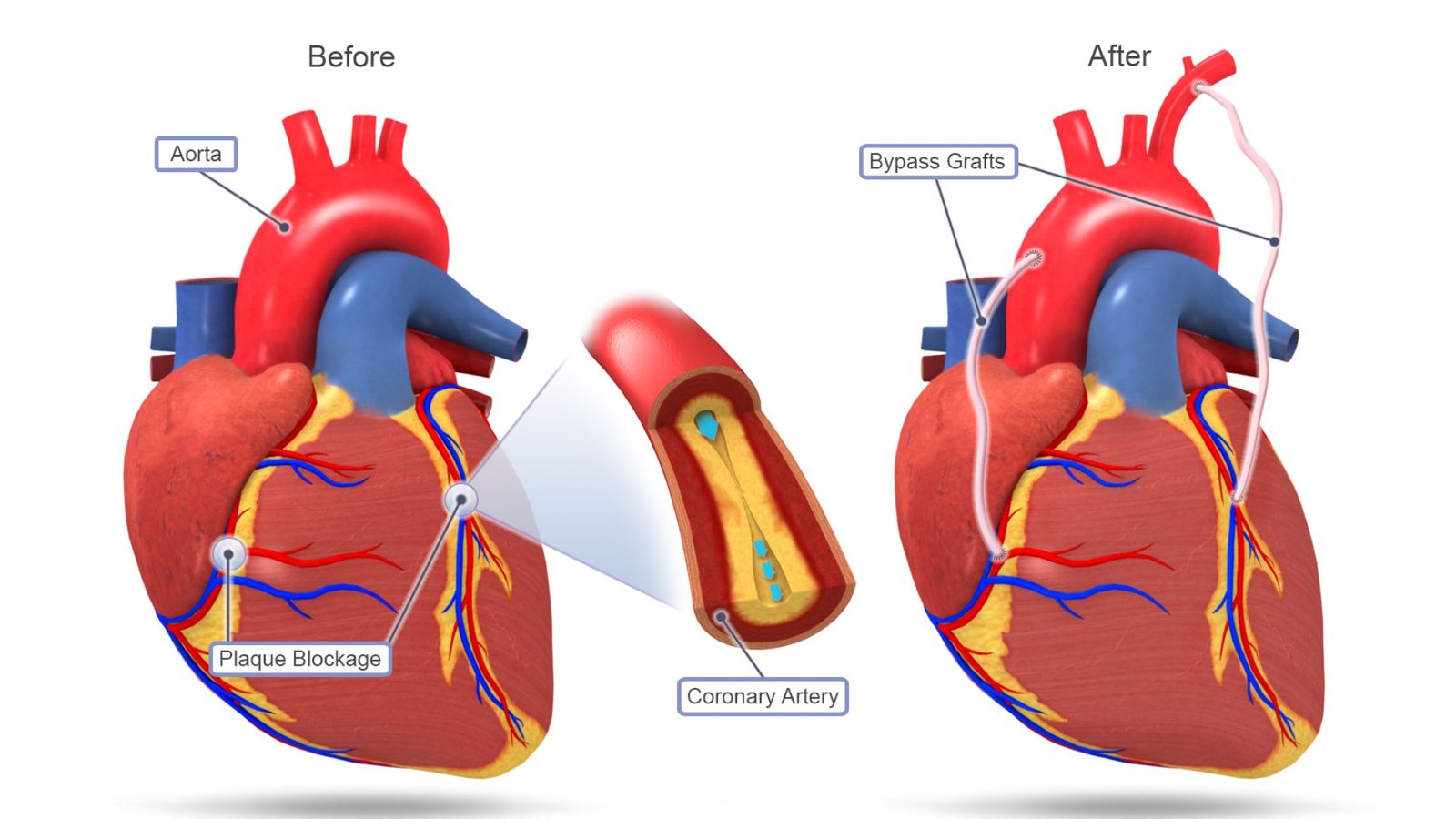
Coronary Artery Bypass Grafting (CABG) is a surgical procedure used to treat coronary artery disease (CAD). CAD occurs when the coronary arteries, which supply blood and oxygen to the heart muscle, become narrowed or blocked due to a buildup of plaque.

During CABG, a healthy blood vessel, often taken from the leg, chest, or arm, is grafted or connected to bypass the blocked or narrowed sections of the coronary arteries. This creates a new pathway for blood to flow around the blockages, improving blood flow to the heart muscle.

CABG is typically performed when lifestyle changes, medications, or less invasive procedures, such as angioplasty and stenting, are not sufficient to restore adequate blood flow to the heart. It is an open-heart surgery that requires the use of a heart-lung machine to temporarily take over the functions of the heart and lungs while the surgery is being performed.

CABG can relieve symptoms of CAD, such as chest pain (angina), and improve overall heart function. It can also reduce the risk of heart attack and improve long-term survival rates in certain individuals with severe coronary artery disease.

It’s important to note that CABG is a complex procedure and requires careful evaluation by a cardiac surgeon to determine its appropriateness for an individual patient.

Benefits of CABG Surgery

  • Restoring Blood Flow: CABG surgery helps restore proper blood flow to the heart by bypassing or circumventing blocked or narrowed coronary arteries. This improves the supply of oxygen and nutrients to the heart muscle, reducing symptoms such as chest pain and shortness of breath.
  • Reduced Risk of Heart Attack: By bypassing blocked or narrowed arteries, CABG surgery reduces the risk of heart attack. It improves the blood supply to the heart, preventing further damage caused by restricted blood flow.
  • Improved Quality of Life: CABG surgery can significantly improve a person’s quality of life by relieving symptoms and enhancing their ability to perform daily activities. Patients often experience reduced chest pain, improved exercise tolerance, and enhanced overall well-being.
  • Prolonged Life Expectancy: CABG surgery has been shown to extend the life expectancy of individuals with severe coronary artery disease. By restoring proper blood flow to the heart, it reduces the risk of complications and improves long-term survival rates.
  • Enhanced Heart Function: CABG surgery can improve heart function by alleviating the strain on the heart caused by blocked arteries. This allows the heart to pump blood more effectively, leading to better overall cardiac function.
  • Potential for Future Interventions: CABG surgery provides a foundation for future interventions if necessary. It creates new pathways for blood flow, making it easier to perform additional procedures, such as stenting or angioplasty, if required.
  • Relief from Medications: For some individuals, CABG surgery can reduce the need for long-term medications, particularly those used to manage symptoms of coronary artery disease. This can result in a decreased reliance on medication and potential cost savings.

It’s important to note that the benefits of CABG surgery may vary for each individual. It’s recommended to consult with a cardiac surgeon or healthcare professional to assess your specific condition and determine if CABG surgery is suitable for you.

The Impact of Smoking on Heart Health

Smoking is a habit that millions of people around the world struggle with. While the detrimental effects of smoking on lung health are widely known, its impact on heart health is equally concerning. In fact, smoking is a leading cause of preventable heart disease and contributes to a range of cardiovascular problems. In this article, we will explore the specific ways in which smoking affects the heart and discuss the importance of breaking free from this harmful habit.

  1. Increased Risk of Heart Disease: Smoking damages the lining of the arteries, leading to the buildup of fatty deposits called plaque. This process, known as atherosclerosis, narrows the arteries and restricts blood flow to the heart. Consequently, smokers are at a significantly higher risk of developing coronary artery disease, angina (chest pain), heart attacks, and strokes.
  2. Higher Blood Pressure: The chemicals in tobacco smoke can cause an immediate increase in blood pressure. Over time, this sustained elevation can damage the arteries and weaken the heart muscle. Smokers are more likely to develop hypertension (high blood pressure), which further contributes to the risk of heart disease.
  3. Reduced Oxygen Supply: Smoking decreases the oxygen-carrying capacity of the blood by binding to hemoglobin, the protein responsible for carrying oxygen. This means that the heart and other vital organs receive less oxygen, putting additional strain on the cardiovascular system.
  4. Abnormal Heart Rhythms: Smoking disrupts the normal electrical activity of the heart, leading to irregular heart rhythms or arrhythmias. These irregularities can range from palpitations to potentially life-threatening conditions such as atrial fibrillation.
  5. Increased Blood Clotting: Smoking promotes the formation of blood clots, which can block blood vessels and cause heart attacks or strokes. The clotting factors in the blood are altered by the toxic chemicals in cigarette smoke, making smokers more prone to dangerous clot formation.

Breaking Free from the Habit:

  1. Seek Support: Quitting smoking can be challenging, but it’s not impossible. Reach out to your healthcare provider, join support groups, or enlist the support of friends and family to help you on your journey to quit smoking.
  2. Set a Quit Date: Choose a specific date to quit smoking and mentally prepare yourself for the change. Discard all smoking paraphernalia, such as cigarettes and lighters, and commit to a smoke-free lifestyle.
  3. Nicotine Replacement Therapy: Consider using nicotine replacement products, such as nicotine gum, patches, or lozenges, to help manage withdrawal symptoms and gradually reduce nicotine dependence.
  4. Behavioral Therapy: Explore behavioral therapy techniques, including counseling and cognitive-behavioral therapy, to address the psychological and emotional aspects of smoking addiction. These strategies can help identify triggers and develop coping mechanisms.
  5. Healthy Lifestyle Choices: Adopt a healthy lifestyle to support your journey toward quitting smoking. Engage in regular physical activity, eat a balanced diet, and manage stress through activities like meditation or yoga.
  6. Stay Persistent: Quitting smoking may involve setbacks and challenges. Stay persistent and resilient, remembering the long-term benefits of a smoke-free life. Celebrate small victories and seek professional help if needed.

Remember, quitting smoking is one of the most impactful steps you can take to improve your heart health and overall well-being. Breaking free from this harmful habit not only reduces your risk of heart disease but also enhances your quality of life. Make the decision today to prioritize your heart and embrace a smoke-free future. Your heart will thank you.

The Essential Roles of a Cardiothoracic Surgeon

As a cardiothoracic surgeon, you have a range of important responsibilities focused on the diagnosis, treatment, and management of diseases and conditions affecting the heart, lungs, and chest. Here are some key responsibilities of a cardiothoracic surgeon:

  1. Patient Evaluation: You are responsible for evaluating patients with cardiovascular or thoracic conditions, conducting thorough examinations, and reviewing medical histories to develop an accurate diagnosis and treatment plan.
  2. Surgical Procedures: Performing surgical interventions is a significant aspect of your role. This can include procedures such as coronary artery bypass grafting (CABG), heart valve repair or replacement, lung resections, heart transplants, and various other surgeries related to the heart and chest.
  3. Preoperative Care: You are responsible for preparing patients for surgery, which involves obtaining informed consent, conducting preoperative assessments, and ensuring that patients are physically and mentally ready for the procedure.
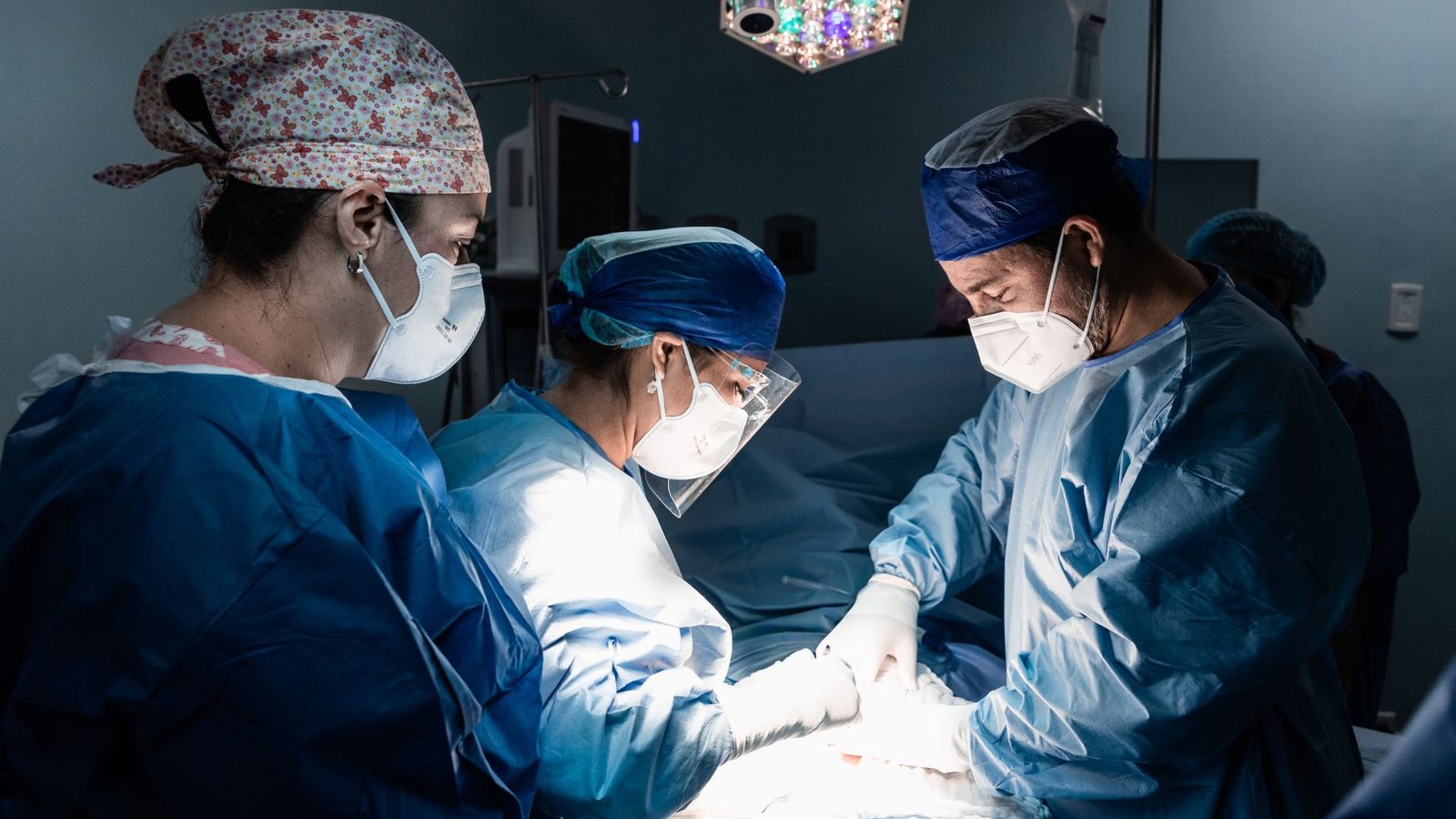
  4. Intraoperative Management: During surgeries, you lead the surgical team, making critical decisions and performing the necessary steps with precision and expertise. This includes managing anesthesia, ensuring patient safety, and maintaining optimal surgical conditions.
  5. Postoperative Care: After surgery, you oversee the postoperative recovery process, including monitoring patients in the intensive care unit (ICU) or step-down units, managing pain, addressing complications, and coordinating the overall care plan.
  6. Collaborative Approach: As a cardiothoracic surgeon, you work closely with a multidisciplinary team, including cardiologists, pulmonologists, anesthesiologists, nurses, and other healthcare professionals, to provide comprehensive care to patients.
  7. Continuous Learning and Research: Staying updated with advancements in the field is crucial. You engage in continuous learning, attend conferences, contribute to research, and apply evidence-based practices to improve patient outcomes.
  8. Patient Education: You play a vital role in educating patients and their families about their condition, treatment options, and postoperative care requirements. Clear communication and compassionate support are essential for helping patients understand their journey.
  9. Ethical and Professional Conduct: Upholding high ethical and professional standards is a fundamental responsibility. You prioritize patient safety, maintain confidentiality, and adhere to the principles of medical ethics.
  10. Mentorship and Teaching: As an experienced cardiothoracic surgeon, you may take on the role of mentor or educator, guiding and training aspiring surgeons, residents, and medical students.

These responsibilities require dedication, precision, and a commitment to improving the lives of patients with cardiothoracic conditions. Your expertise and skills contribute significantly to the field of cardiovascular and thoracic surgery, helping to save and improve lives.

Dr. Ritwick Raj Bhuyan

Best Cardiac Surgeon at Fortis Escorts Delhi – Dr. Ritwick Raj Bhuyan

Heart disease is one of the leading health concerns in India, and choosing the right cardiac surgeon can make a significant …

How Heart Disease Differs in Men and Women

Heart disease, often considered a universal health concern, exhibits distinct characteristics when it comes to gender. While …

Unveiling the Profound Importance of a Healthy Heart

In the intricate symphony of our bodies, the heart plays a pivotal role as the maestro, orchestrating the rhythm of life. …